





特別寄稿
Direct Microwave DX Communication Experiments Between Japan and Taiwan
An Operational Report from Yonaguni Island, Japan's Westernmost Island
2026年7月15日掲載
1. Background
The project originated from a simple question raised among my HAM friends: "If we operate from the edge of Japan, would it be possible to achieve DX communications with Taiwan even on the UHF and microwave bands?" Motivated by this idea, our team began planning and preparing experiments to establish direct radio communications between Yonaguni Island, the westernmost island of Japan, and Taiwan in late 2024.
During experiments conducted in June 2025, we successfully achieved direct contacts between Japan and Taiwan on the 1.2 GHz band. In addition to conventional CW, FM, and SSB operations, the experiments demonstrated successful transmissions of voice and images using DV and DV Fast Data modes.
Encouraged by previous results and an acquisition of an IC-905XG transceiver, we set a new objective for 2026: to establish direct Japan–Taiwan communication on the 2.4 GHz, 5.6 GHz, and 10.1 GHz amateur microwave bands. To accomplish this, we once again traveled to Yonaguni Island and conducted a series of propagation and communication experiments.
As a result, we successfully established direct contacts on the 2.4 GHz band using SSB and CW, and on the 5.6 GHz band using CW. This report summarizes operational setups, experimental procedures, obtained results, and technical considerations arisen from these unprecedented microwave DX experiments between Japan and Taiwan.
2. About Yonaguni Island
Yonaguni Island (Yonaguni Town, Yaeyama District, Okinawa Prefecture; JCG 47005) is Japan's westernmost island and belongs to the Yaeyama Islands (IOTA AS-024). The island lies only approximately 110 km from Taiwan at its closest point, and under favorable atmospheric conditions, Taiwan can reportedly be seen from the island's western coast (Fig. 1). Yonaguni Island is blessed with abundant natural beauty characterized by subtropical vegetation and a diverse ecosystem. Encounters with unique wildlife such as the Yonaguni horse (Fig. 2), the Yonaguni black wood pigeon, the giant atlas moth commonly known as the Yonaguni-san, and coconut crabs are not uncommon.
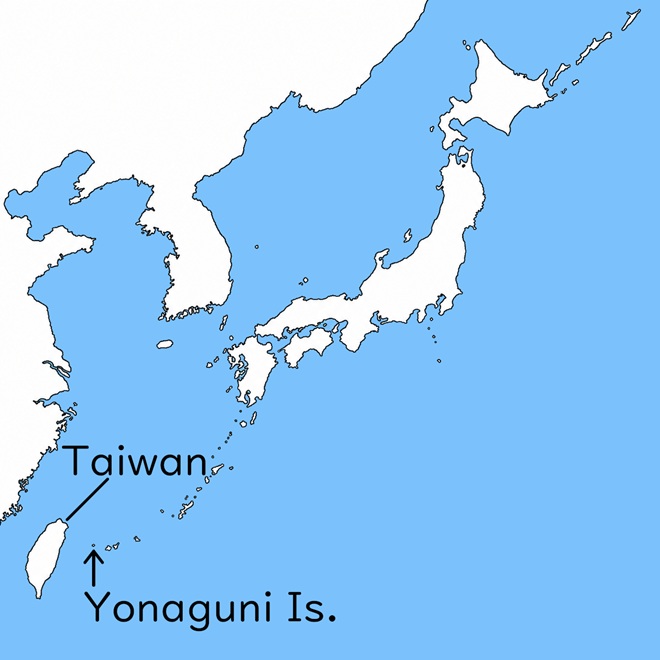
Fig. 1. A map showing the relative locations of Yonaguni Island and Taiwan.
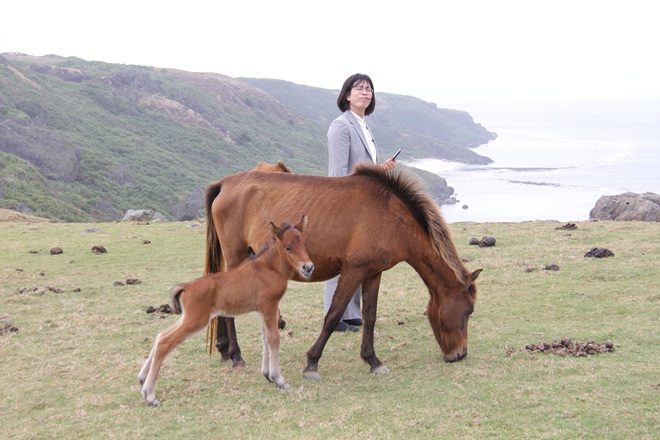
Fig. 2. Yonaguni Horse at Cape Agari and the Author.
The Yonaguni horse is a native Japanese breed found on Yonaguni Island. Characterized by its small stature and chestnut-colored coat, it was historically used as a working horse in agriculture. Today, these gentle horses are kept primarily for tourism and can often be seen grazing freely on local ranches.
The island's rugged topography, marked by dramatic coastal cliffs, offers panoramic views of cobalt-blue ocean and distant horizon (Fig. 3). On clear nights, the Southern Cross can also be observed from the island.
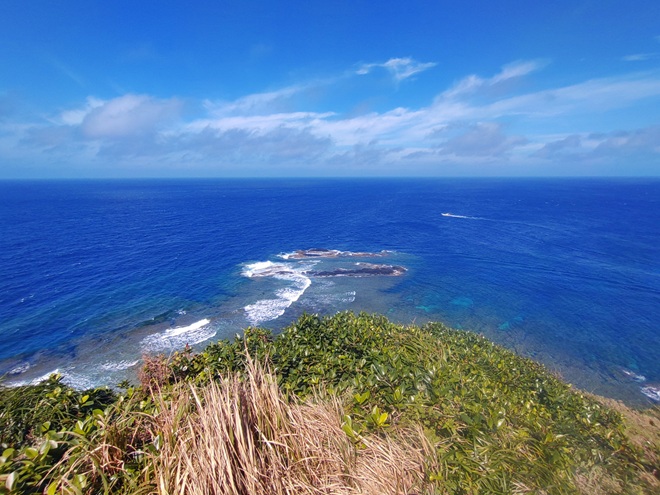
Fig. 3. Western View from the Irizaki Observation Deck.
The rock formation visible in the center of the photograph is known as Tou-ishi and represents the true westernmost point of Japan, although it is inaccessible to the public. Much of Yonaguni's coastline consists of dramatic cliffs overlooking the blue ocean and distant horizon. Under favorable conditions, Taiwan can reportedly be seen beyond the horizon.
Yonaguni gained nationwide recognition as one of the filming locations for the television drama Dr. Coto's Clinic, originally broadcast in 2003 (Fig. 4). Popular activities on the island include marlin fishing, scuba diving, exploration of the Yonaguni underwater ruins, horseback riding, and cycling. Local specialties include awamori (traditional Okinawan distilled liquor), handwoven textiles, marlin, and pineapples. In particular, marlin sashimi (Fig. 5) and locally grown pineapples are highly recommended. Readers interested in visiting the island are encouraged to consult Yonaguni Tourism Website for further information.
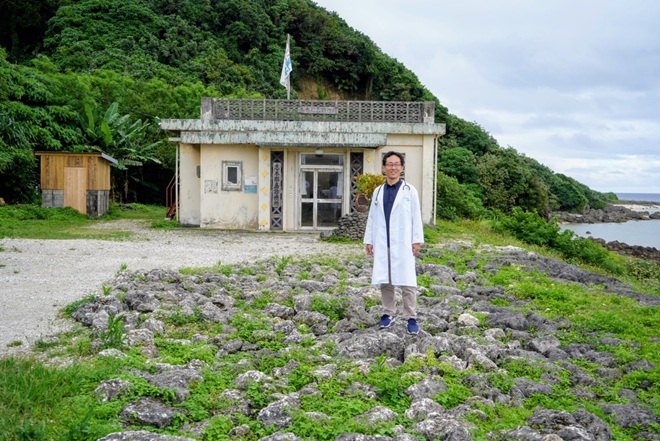
Fig. 4. Dr. Coto’s Clinic and “Dr. Taro”
Wearing a white coat, specially brought by the author for this occasion, “Dr. Taro” recreates the iconic pose from the television drama Dr. Coto's Clinic. The clinic set used during filming has been preserved in the Hikawa district of Yonaguni Island. Visitors may tour the facility and view props used in the production. Admission requires a fee, and a commemorative ticket designed to resemble a patient ID card is provided.
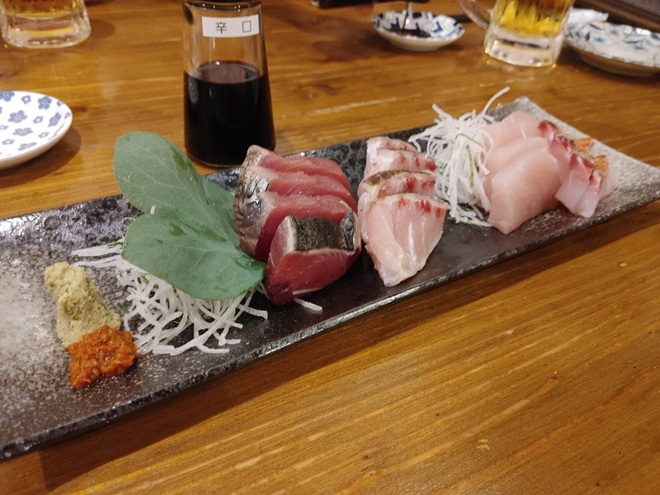
Fig. 5. Fresh sashimi
There is a fishing port on the west side of Yonaguni Island, where marlin and a variety of other fish are landed each morning. At local izakayas, you can enjoy fresh sashimi prepared from the day's catch.
3. Members, Operating Sites, Schedule, and Equipment
For this experiment, Taro Adachi (JO3TND / JS6UVT; Taro-san) and the author traveled to Yonaguni Island. Coordination with the Taiwanese stations, arrangement of the operating opportunity, and communications with the Okinawa Bureau of Telecommunications were handled by Seiya “Sam” Kato (JE1XUZ / JS6UVU). On the Taiwanese side, invaluable support was provided by Kentaro “Ken” Suzuki (BV1EL; Ken-san), Dr. Tsai Ya-Bin (BV2OL), and other members of the BV2A group (Fig. 6).
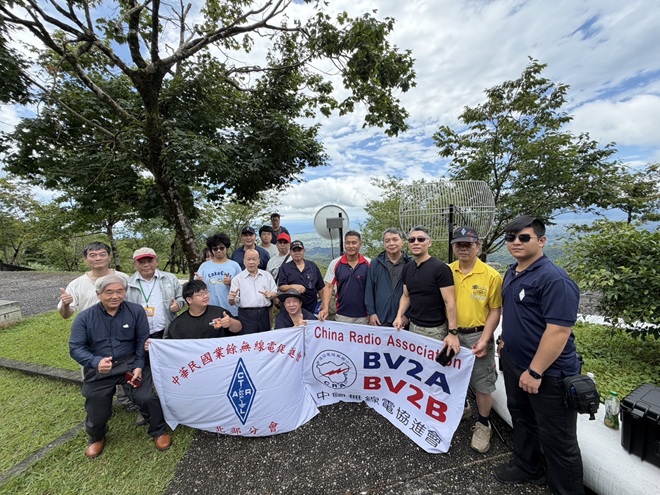
Fig. 6. Members of the Taiwanese Team.
Members of BV2A pose for a commemorative photograph at Weishui Hill. As discussed later in this report, the operating site offered both an excellent radio path and spectacular scenery.
As in the previous year's experiments, we initially considered operating from the Irizaki Observation Deck, the westernmost point of Yonaguni Island. However, given that our Japanese team consisted of only two operators and that strong winds prevailed on the day of operation, we decided not to proceed to the very tip of the cape. Instead, we established our station at an elevated location overlooking the sea near the cape, at an altitude of approximately 40 m above sea level (Fig. 7).
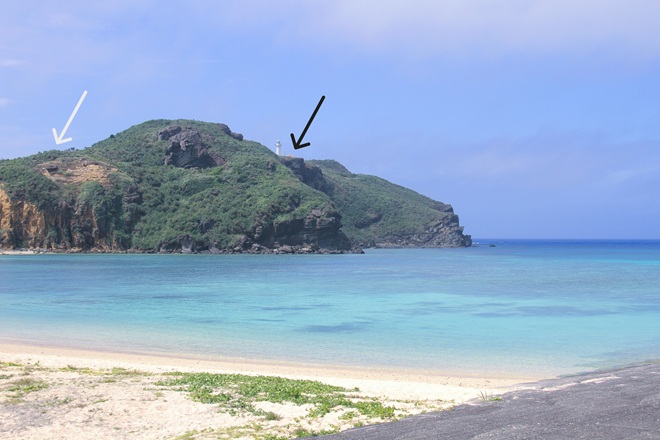
Fig. 7. Japanese Operating Site.
Our original plan had been to operate from the Irizaki Observation Deck (black arrow). However, due to strong winds and limited manpower, we instead established our station on elevated ground near the base of the cape (white arrow). Although Taiwan remained visible above the radio horizon from this location, this compromise may have adversely affected the experiment.
The Taiwanese operating site was on the Weishui Hill, a scenic viewpoint located within the Yinghua Cemetery in Yilan County, at an elevation of approximately 800 m above sea level (Fig. 8). Although a straight-line distance between the two stations was approximately 132 km, the high elevation of the Taiwanese side ensured that the path remained within radio line-of-sight conditions.
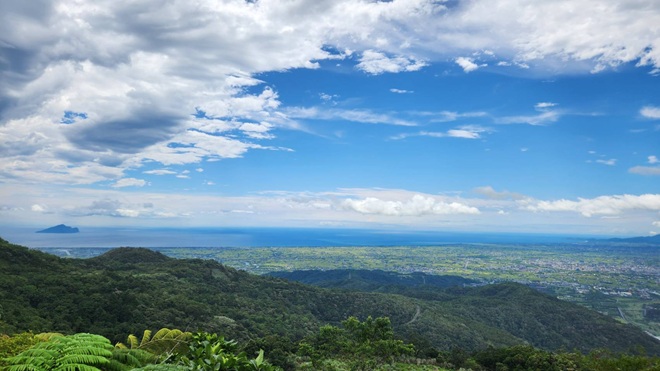
Fig. 8. The Scenic View from Weishui Hill.
Weishui Hill, the Taiwanese operating site used by BV2A, is renowned for its panoramic views. Looking eastward, the Pacific Ocean extends uninterrupted to the horizon. The direction toward Yonaguni Island is in the center of the photograph, while Guishan Island is visible offshore to the left.
The communication experiments were scheduled to coincide with the VHF QSO Party (VQP), organized by the Taipei Amateur Radio Promotion Association. Operations commenced at approximately 0300 UTC on Saturday, 6 June 2026. During the VQP, many Taiwanese amateur radio operators conducted portable operations with the aim of promoting DX communications on VHF and higher frequency bands and fostering goodwill among neighboring countries and regions.
Both the Japanese and the Taiwanese stations employed the IC-905XG transceiver manufactured by ICOM Inc. The transmitter output power was set to 2 W on the 2.4 GHz and 5.6 GHz bands, and 0.5 W on the 10.1 GHz band.
For the 2.4 GHz band, the Japanese station used an X2427 Long John antenna manufactured by Creative Design Co., Ltd. This antenna consists of 27 elements and provides a gain of 27 dBi. The Taiwanese station employed a grid parabolic antenna originally designed for Wi-Fi applications (manufacturer unknown) with a gain of 24 dBi. Both antennas were operated with horizontal polarization. On the 5.6 GHz band, the Japanese station used an ANT-5158-30DBI grid parabolic antenna manufactured by Premiertek, providing a gain of 30 dBi, while the Taiwanese station again utilized a 24 dBi Wi-Fi grid parabolic antenna. For the 10.1 GHz band, both stations employed the AH-109PB parabolic antenna manufactured by ICOM, which provides a gain of 31 dBi. All antennas were mounted on tripods and poles at heights ranging from approximately 1 to 3 m above ground level. (Figs. 9 and 10).
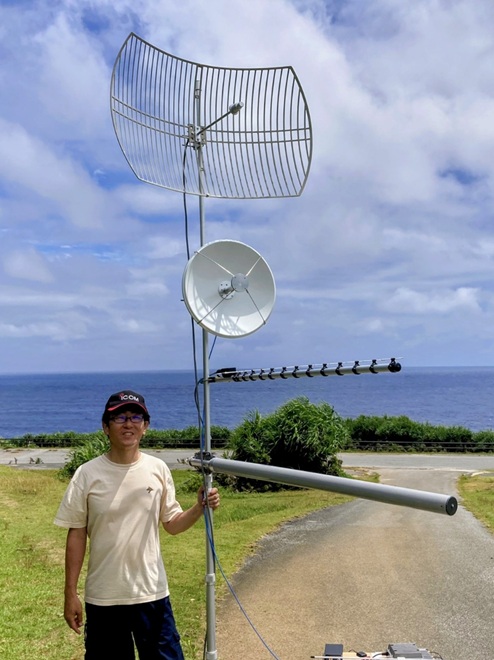
Fig. 9. Antenna Systems at the Japanese Station.
From top to bottom, the antennas shown are those used for the 5.6 GHz, 10.1 GHz, 1.2 GHz, and 2.4 GHz bands. Because suitable short feedlines were unavailable and time constraints became severe, the RF units were not mounted directly on the mast.
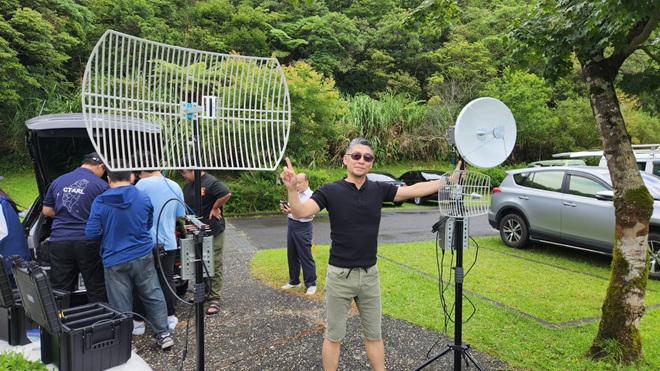
Fig. 10. Antenna Systems at the Taiwanese Station.
The antennas shown are, from the upper left, the 2.4 GHz antenna; from the upper right, the 10.1 GHz antenna; and from the lower right, the 5.6 GHz antenna. Unlike the Japanese station, the Taiwanese team mounted the RF units directly on the mast and employed feedlines as short as practicable. Ken-san, who coordinated the Taiwanese side of this experiment, is shown in the center of the photograph.
It should be noted that some of the equipment had only recently become available shortly before the expedition. Consequently, there was little opportunity to perform detailed link-budget analysis or extensive pre-deployment testing. In many respects, the experiments represented a true "field trial."
4. Communication Experiments
Throughout the experiments, a weather condition was generally overcast with occasional light rain. Ambient temperature was approximately 28.5°C, and relative humidity was about 85%. Clouds covered the western sky toward Taiwan, and rainfall was observed over portions of the sea along the propagation path. In addition, winds from the west-northwest to northwest persisted at approximately 7-8 m/s. Owing to these adverse weather conditions, the start of the experiment was delayed by approximately one hour.
The communication trials began on the 2.4 GHz band. After initially pointing the antennas toward the estimated direction of the counterpart station, both sides attempted to establish contact using FM. However, no successful communication was achieved. Taro-san subsequently contacted Ken-san, and after confirming the polarization alignment, both stations began transmitting CW signals while fine-tuning the antenna directions. At 0425 UTC, the Taiwanese signal was successfully received at the Japanese station. CW contacts were subsequently completed between BV2A and JS6UVV, and between BV2A and JS6UVT. During these CW contacts, the Taiwanese station's signal was received in Japan with an RST report of 529, while the Japanese station's signal was received in Taiwan with an RST report of 559. Immediately afterward, both stations switched to SSB operation and successfully established voice contacts. Under SSB operation, the Taiwanese station's signal was received in Japan with an RS report of 51, while the Japanese station's signal was received in Taiwan with an RS report of 53.
Establishing contacts on the 5.6 GHz band proved to be even more challenging. Following the successful 2.4 GHz contacts, both stations continued calling on 5.6 GHz for approximately ten minutes. Although faint traces of each other's signals could occasionally be heard, any communication could not initially be completed. Once again, Taro-san contacted Ken-san, and the stations resumed transmitting CW signals while gradually adjusting antenna alignment and monitoring propagation conditions. After continuing these efforts for some time, a period during which the Taiwanese signal became slightly stronger was observed. Taking advantage of this opportunity, the Japanese station immediately called the Taiwanese station and received a response. At 0449 UTC, successful CW contacts were completed between BV2A and JS6UVV, and between BV2A and JS6UVT. During these contacts, the Taiwanese signal was received in Japan with an RST report of 439, while the Japanese station's signal was received in Taiwan with an RST report of 559.
Attempts were also made on the 10.1 GHz band. As with the lower microwave bands, both stations repeatedly adjusted their antenna directions while searching for one another's signals. Despite these efforts, neither station was able to detect the counterpart's transmission, and no contact was established on 10.1 GHz.
5. Discussion
In the present experiment, our team successfully established direct communications between Japan and Taiwan on the 2.4 GHz and 5.6 GHz amateur microwave bands. For amateur radio operators in island nations such as Japan and Taiwan, both of which are surrounded by the sea, direct international communication using microwave frequencies is an exceptionally rare and challenging undertaking.
To the best of our knowledge, neither our team nor our Taiwanese counterparts were able to identify any published records documenting direct Japan–Taiwan contacts on either the 2.4 GHz or 5.6 GHz bands. Reports of international microwave contacts involving Japan on these frequencies also appear to be extremely limited. The only comparable example we identified was a report describing Amateur Television (ATV) contacts on the 10 GHz band between the 59 HAMTV Club of South Korea and Microwave Kitakyushu in Japan.
The operating locations selected for this experiment were theoretically within mutual radio line-of-sight. Furthermore, the Japan Amateur Radio League (JARL) recognizes distance records that substantially exceed the 132 km path investigated in this experiment, although some of these records may have involved anomalous propagation mechanisms. Based on these considerations, we initially anticipated that microwave communication over this path would be achievable without excessive difficulty. Contrary to our expectations, however, no contact was completed on the 10.1 GHz band, and successful operations on the 2.4 GHz and 5.6 GHz bands were limited to CW and SSB modes. As a comparison, during the 2025 experiment on the 1.2 GHz band, we employed a transmitter output power of 10 W together with antennas providing gains of 16.6 dBi. Under those conditions, all operating modes achieved signal reports of RS 59 +20 dB in both directions.
Moreover, according to the previously reported Japan–South Korea 10 GHz experiment, successful ATV communication was achieved over a distance of approximately 235 km, also within radio line-of-sight. The reported transmitting power ranged from 0.5 to 1 W, and the antenna system—believed to have employed TDK BCS-45DHV antennas—provided gains of approximately 33.8 dBi. Taken together, these observations suggest that the difficulties encountered in our experiment cannot be fully explained solely by the additional free-space propagation loss associated with higher operating frequencies, even accounting for an increase of approximately 10–20 dB in propagation loss. We therefore believe that other contributing factors must have been involved.
One probable factor was the strong wind that persisted throughout the experiment. The resulting instability made it difficult to maintain precise antenna alignment. This effect would have been particularly significant on the 5.6 GHz and 10.1 GHz bands, where highly directional parabolic antennas with large wind-loading areas were employed.
Another possible factor was feedline loss. Owing to the lack of sufficiently short coaxial cables, relatively long cables were used to connect the RF units to the antennas on the Japanese side. The resulting attenuation may have degraded overall system performance.
Rain attenuation may also have contributed to the outcome. Rainfall was observed over the sea in the direction of Taiwan during the experiment, and the 10.1 GHz signals in particular may have suffered significant attenuation due to precipitation along the propagation path.
In addition, the operating site selected on Yonaguni Island differed slightly from that used during the 2025 experiment. Because of the limited number of personnel and the prevailing strong winds, we chose a location somewhat short of the previously-used Irizaki Observation Deck. Although the chosen site was situated on elevated ground, low hills and vegetation were present near the apparent radio horizon. These obstacles may have encroached upon the Fresnel zone of the propagation path, thereby introducing additional diffraction losses. We intend to further investigate this possibility through detailed examination of topographical maps and satellite imagery.
For future attempts, we plan to conduct more rigorous link-budget analyses during the planning phase, assemble a sufficiently large operating team, and hope for more favorable weather conditions. We also intend to return to the observation deck at the very tip of Irizaki, which served as our operating site in 2025.
Our goal is not only to complete the remaining challenge of a 10.1 GHz contact, but also to establish communication using modes that could not be successfully employed during this experiment, including FM, DV, DV Fast Data, and DD.
The impact of the IC-905XG, released by ICOM Inc., on amateur microwave activity has been profound. In our view, it has brought about a major breakthrough in the field of amateur microwave communications. Microwave technologies offer several attractive characteristics, including wide bandwidth, sharp directivity, and compact antenna dimensions. These features enable high-capacity and high-speed communications independent of time and location. Beyond radio communication and broadcast, microwave technologies have already found applications in numerous fields, including industry, electric power transmission, chemistry, and medicine, and further developments are actively being pursued.
Microwave engineering constitutes one of the core competencies required of the next generation of professionals, whose development and recruitment are increasingly emphasized by governments and industry alike. However, microwave phenomena are invisible and often difficult to conceptualize, and practical experimentation has historically required extensive technical expertise, expensive measurement equipments, and considerable time investment. For many amateur radio operators—including ourselves—and for young people interested in science and technology, microwave communications have therefore represented an intimidating and highly specialized field. The IC-905XG has significantly lowered these barriers to entry and has made microwave experimentation accessible to a much broader people who showed interest.
Finally, it is our sincere hope that this report will contribute, even in a small way, to stimulating renewed interest and activity within the amateur radio community, particularly in the field of microwave communications.
6. Operational Considerations on Yonaguni Island: Lessons Learned
Yonaguni Island is characterized by a tropical rainforest climate, resulting in warm and humid conditions throughout the year. During the summer months in particular, temperatures can become considerably high, and visitors should take appropriate precautions against heat-related sickness. Because of the strong ultraviolet radiation common to the region, adequate sun protection is also essential.
Sudden squalls are common, and strong winds may arise without warning. During a portable operation, operators should be prepared for the possibility of abrupt changes in weather conditions, including heavy rain and gusty winds. In addition to carrying appropriate rain gear, special attention should be paid to preventing water intrusion into equipment and avoiding antenna collapse caused by strong winds.
Yonaguni Island can be reached either by air (Fig. 11) from Ishigaki Island or Naha, or by ferry (Fig. 12) from Ishigaki Island. Operators traveling by air should be aware of baggage restrictions and may wish to consider shipping equipment in advance to their accommodations using parcel delivery services. Certain items, such as some types of batteries, may not be permitted on aircraft; therefore, sufficient time should be allowed for shipping arrangements.
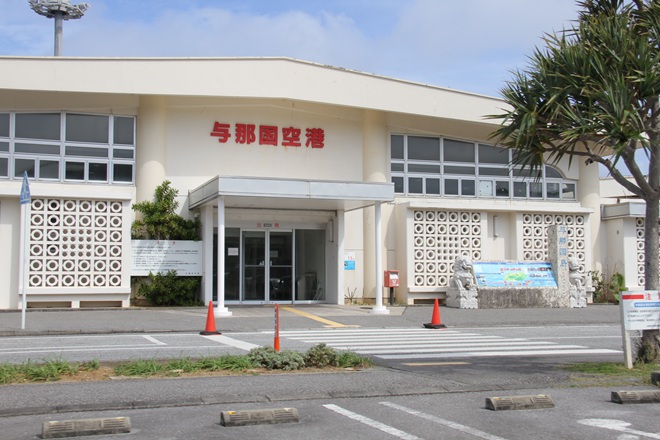
Fig. 11. Yonaguni Airport
The gateway to Yonaguni Island, welcoming visitors from Okinawa and beyond.
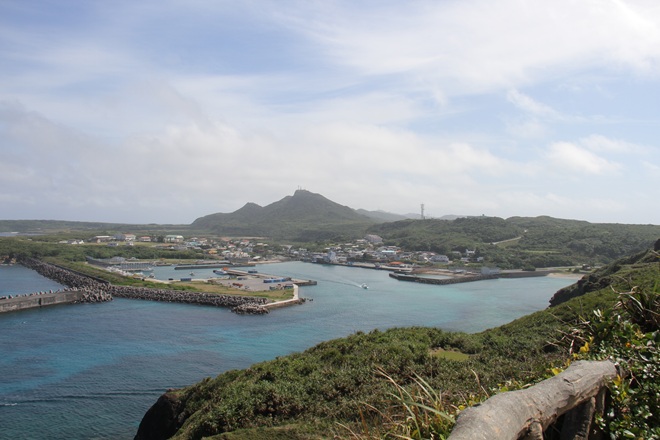
Fig. 12. Kubura Port
Located on the western side of Yonaguni Island, Kubura Port is an important fishing port that also serves as a ferry terminal and a gateway for sea transportation. The port supports the island’s fishing industry and provides essential connections for people and goods.
The ferry service operates only twice per week and may be cancelled due to adverse weather conditions. Consequently, travel schedules may be subject to significant disruption, and contingency planning is advisable.
Although a free local bus service (Fig. 13) is available on the island, the buses are small and operate on a limited schedule. For portable operations involving substantial equipment, rental vehicles are strongly recommended.
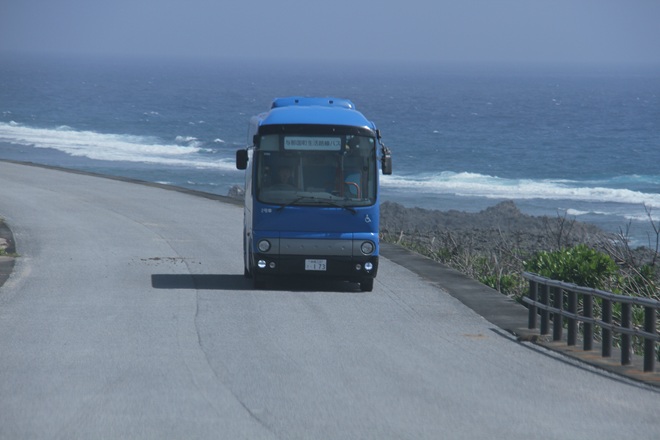
Fig. 13. Yonaguni Town Community Bus
A free community bus operated by Yonaguni Town, connecting the island’s three main villages. It provides convenient transportation for residents and visitors exploring Yonaguni Island.
Yonaguni Island does not have any 24-hour convenience stores or supermarkets. Instead, each settlement contains a small number of local shops. Some open as early as 0630 local time, while others remain open until approximately 2100. Food and other necessities should therefore be purchased in advance or brought to the island whenever possible.
Visitors will naturally wish to enjoy the local cuisine as well (Fig. 14). Several restaurants and izakaya-style establishments are available, but many close relatively early or may suspend operations unexpectedly. In particular, dining options on Sunday evenings are quite limited. Advance reservations are highly recommended.
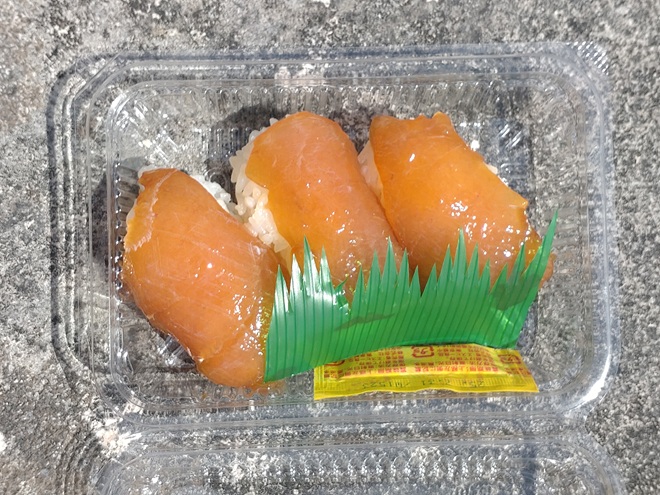
Fig. 14. Hatinuchima-sushi: A local specialty of Yonaguni
Made with sushi rice topped with marlin marinated in soy sauce, it is best enjoyed with a dab of Japanese mustard (karashi).
Interestingly, some excellent eateries maintain little or no online presence. Exploring the island in search of such hidden establishments can provide an enjoyable diversion after long hours of amateur radio activity.
Locations regarded by amateur radio operators as ideal operating sites are often popular tourist attractions or places of special significance to local residents. Portable operations should therefore be conducted with sensitivity and respect. Operators are encouraged to minimize operating time whenever possible, pay careful attention to safety and preservation of the surrounding scenery, and keep their stations sufficiently compact to permit rapid dismantling if circumstances require.
Finally, it is important to remember that Yonaguni Island is not a resort destination. It is first and foremost a community where local residents carry out their daily lives. Basic courtesies—including greeting local residents (it seems that local amateur radio operators and people interested in amateur radio also live on the island), taking all refuse away upon departure, prioritizing the needs of residents and other visitors, and refraining from excessive drinking or disruptive behavior—are essential. Observing these standards of conduct and common sense is vital to ensuring that future amateur radio activities continue to be welcomed within the community.
7. Acknowledgments
This experiment was made possible through the support and cooperation of many individuals. Without the support of these individuals and communities, this experiment would not have been possible.
We would first like to express our sincere gratitude to the members of BV2A in Taiwan for their invaluable assistance in conducting the communication experiments. We are deeply indebted to Terukuni Kubo (JH5JKH), who generously shared his expertise and practical knowledge regarding portable operation. We also thank Ryota Kono (JA1WYX) for providing technical advice and for creating opportunities that helped advance the planning and execution of this project. Our appreciation extends to Yoshiki Inagaki (JH1LHD / JS6UVS), who accompanied us during the 2025 experiment and, although stationed in Indonesia this year, continued to encourage and support our efforts from afar. Finally, we would like to express our heartfelt thanks to the people of Yonaguni Island for their understanding and acceptance of our portable operation activities
8. References
- [1] JARL Microwave Committee, "Mobile Experiments Between Korea and Japan," 2002.
- [2] Japan Amateur Radio League (JARL), "Distance Record Certification."
- [3] Fuji Television, Dr. Coto's Clinic, 2003.
- [4] ICOM Inc., "AH-109PB."
- [5] Premiertek, "ANT-5158-30DBI."
- [6] ICOM Inc., "IC-905."
- [7] S. Kato (JE1XUZ), "Targeting Taiwan from Japan's Westernmost Island Using UHF: An Operational Report from Yonaguni Island," CQ HAM Radio, 2025.
- [8] "This Month's Ham: T. Adachi (JO3TND)," Monthly FB News, 2023.
- [9] AV Watch Editorial Staff, "TDK Introduces BS/CS Antennas Compatible with 110° CS Digital Broadcasting," 2001.
- [10] Create Design Co., Ltd., "UHF Long John Antennas for 1200 and 2400 MHz."
- [11] Taipei Amateur Radio Promotion Association, "VHF QSO Party," 2026.
- [12] Yonaguni Tourism Association, "Yonaguni Tourism Website."
NEWS
連載記事
PHONEで楽しむQRP通信
第37回 おがさわら丸などで430MHz 5エレメント八木アンテナを活用する
アパマンハムのムセンと車
第46回 モービル&アパマン運用に役立つヒント
新・エレクトロニクス工作室
第51回 令和のKCS VXO基板(基本波用)を使った簡易SG
Masacoのログブック
June 16~30 2026
Special article
Direct Microwave DX Communication Experiments Between Japan and Taiwan
Summits On The Air (SOTA)の楽しみ
その105 登山にチャレンジ-4
頭の体操 詰将棋
2026年7月の出題
コンテストインフォメーション
2026年7月に開催予定のコンテストについて
日本全国・移動運用記
第130回 大型連休の北海道移動(後編)
おきらくゴク楽自己くんれん
その61 静岡県西部遠征とユーティリティ電源の電圧アップ
My Project
第48回【ラジオ】フリーマーケット出展のススメ【売買を介した自作文化の伝承】
アマチュア無線の今と昔
第44回 浦島太郎になって迷っているカムバック組の皆様へ
今更聞けない無線と回路設計の話
【テーマ2】デシベルと無線工学 (第21話)
HW Lab
第18回 乾電池の性能について(後編)
Masacoのログブック
June 1~15 2026
MasacoのFBチャレンジ!
AIを活用した移動運用に、初トライ!
特別寄稿
IC-905XGがつないだ日本最西端と台湾 -SHF交信実験-
特別寄稿
1.8~50MHz帯対応マグネチックループアンテナ(MLA)の検討






外部リンク
アマチュア無線関連機関/団体
各総合通信局/総合通信事務所
アマチュア無線機器メーカー(JAIA会員)
